

Natural Remedies for Dog Anxiety: Science-Backed Solutions That Actually Work
Watching your beloved canine companion pace frantically during thunderstorms, tremble at fireworks, or whine incessantly when you leave for work can be heartbreaking. Dog anxiety affects millions of pets worldwide, manifesting through destructive behaviors, excessive barking, and physical symptoms that significantly impact both pets and their families. While conventional medications certainly have their place, many pet parents are discovering that natural remedies for dog anxiety can provide effective, gentle relief without the side effects often associated with pharmaceutical interventions.
The growing interest in holistic pet care reflects our deeper understanding of canine psychology and the interconnected nature of physical and mental well-being in dogs. From ancient herbal traditions to modern scientific research, natural approaches to managing dog anxiety offer hope for creating calmer, more balanced lives for our four-legged family members. Whether your dog suffers from separation anxiety, noise phobias, or general nervousness, implementing the right combination of natural remedies can transform their daily experience and strengthen your bond.
Understanding the Root Causes of Canine Anxiety
Before exploring natural solutions, recognizing what triggers anxiety in dogs is crucial for developing an effective treatment plan. Dog behavior research has identified several primary anxiety triggers that affect canines across different breeds and ages.

Separation anxiety ranks among the most common forms, typically developing when dogs become overly attached to their owners or experience traumatic abandonment. Environmental factors play equally important roles, with loud noises, unfamiliar situations, and changes in routine frequently triggering anxious responses. Some dogs inherit genetic predispositions toward anxiety, while others develop behavioral issues following medical problems, inadequate socialization, or past traumatic experiences.
Physical symptoms of anxiety in dogs include excessive panting, drooling, trembling, and destructive behaviors like chewing furniture or scratching doors. Behavioral signs encompass repetitive actions, excessive barking or whining, loss of appetite, and withdrawal from normal activities. Understanding these manifestations helps pet owners identify when their dogs need support and monitor the effectiveness of natural interventions.
Herbal Remedies and Botanical Solutions
Plant-based treatments have provided anxiety relief for centuries, and many herbs demonstrate remarkable effectiveness in calming anxious dogs when used appropriately. These natural compounds work by interacting with neurotransmitter systems in ways that promote relaxation without causing sedation.
Chamomile: The Gentle Nervine
Chamomile stands out as one of the safest and most effective herbal remedies for dog anxiety. This gentle flower contains compounds called apigenin that bind to benzodiazepine receptors in the brain, producing mild sedative effects. Pet owners can brew chamomile tea, cool it completely, and add small amounts to their dog's water bowl, or sprinkle dried chamomile over food. Most dogs tolerate chamomile well, though some may experience mild digestive upset if given excessive amounts.
Valerian Root: Nature's Tranquilizer
Valerian root offers more potent calming effects for dogs with severe anxiety, though its strong odor can be off-putting to some pets. This herb increases GABA levels in the brain, promoting relaxation and reducing nervous system excitability. Commercial dog treats and supplements containing valerian provide convenient dosing options, while liquid extracts allow for more precise administration based on body weight.
Passionflower and Lemon Balm
These complementary herbs work synergistically to address different aspects of anxiety. Passionflower helps quiet racing thoughts and promotes peaceful sleep, while lemon balm soothes digestive upset often associated with stress. Combining these herbs in tea form or finding supplements that include both can provide comprehensive anxiety support.
Aromatherapy and Essential Oil Applications
Dogs possess incredibly sensitive olfactory systems, making aromatherapy a powerful tool for anxiety management when applied safely and appropriately. Certain scents trigger neurological responses that promote relaxation and reduce stress hormones, though proper dilution and application methods are essential for canine safety.
Lavender essential oil leads the field in anxiety-reducing aromatherapy for dogs. Research demonstrates that lavender can lower heart rate, reduce cortisol levels, and promote calmer behavior in stressed animals. Pet owners can diffuse lavender oil in well-ventilated areas, apply diluted solutions to bandanas or bedding, or use commercially prepared lavender sprays designed specifically for pets.
Frankincense and bergamot oils also show promise for anxiety relief, though they require more careful application due to their potency. Never apply undiluted essential oils directly to a dog's skin or allow them to ingest these concentrated substances. Instead, use pet-safe diffusers, add a few drops to bedding areas, or choose products formulated specifically for canine use.
Nutritional Approaches and Dietary Modifications
The connection between nutrition and mental health extends beyond humans to our canine companions. Emerging research on the gut-brain connection reveals how dietary choices can significantly impact anxiety levels and overall emotional well-being in dogs.
Omega-3 Fatty Acids
These essential fats support brain health and help regulate inflammation that can contribute to anxiety. Fish oil supplements provide concentrated sources of omega-3s, while whole food sources like sardines, salmon, or flaxseed can be incorporated into regular meals. Look for supplements specifically formulated for dogs to ensure appropriate dosing and purity standards.
L-Theanine and Amino Acid Support
Found naturally in green tea, L-theanine promotes relaxation without drowsiness by increasing alpha brain waves. Commercial supplements containing L-theanine offer convenient dosing for dogs, while some pet foods now include this amino acid in their formulations. Tryptophan, the amino acid precursor to serotonin, also supports mood regulation and can be found in turkey, pumpkin seeds, and specialized supplements.
Probiotic Support for Gut Health
Since approximately 90% of serotonin is produced in the gut, maintaining healthy digestive bacteria becomes crucial for emotional balance. High-quality probiotic supplements designed for dogs can help restore beneficial bacteria populations, while fermented foods like kefir or specialized dog probiotics provide natural sources of beneficial microorganisms.
Physical Therapies and Environmental Modifications
Creating a supportive physical environment addresses anxiety from multiple angles, combining sensory input, comfort measures, and behavior modification techniques. These approaches work particularly well when combined with other natural remedies to provide comprehensive support.
Pressure Therapy and Thunder Shirts
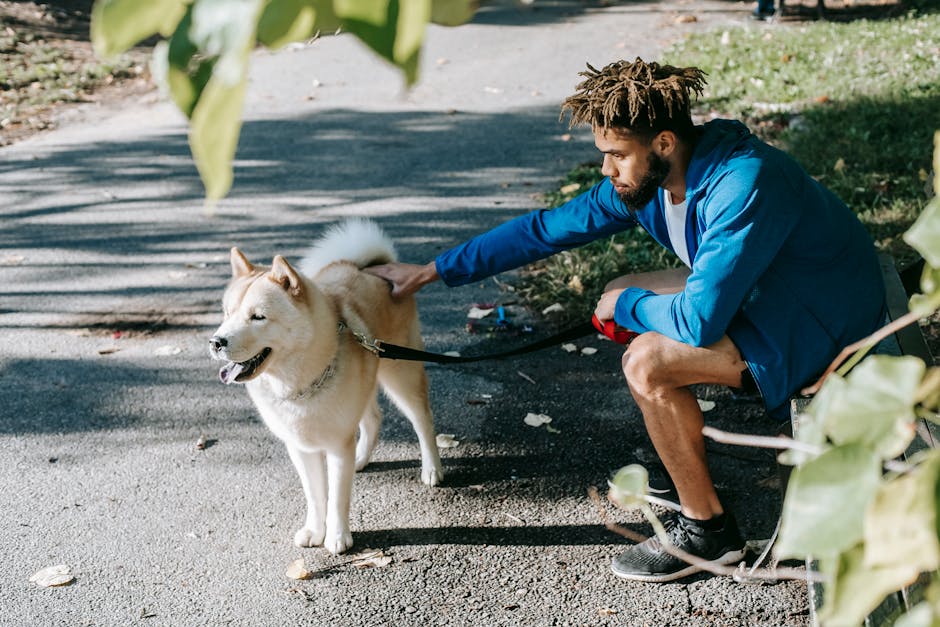
Gentle, consistent pressure applied to a dog's torso can activate the parasympathetic nervous system, promoting feelings of security and calm. Commercial anxiety wraps and thunder shirts provide this therapeutic pressure during stressful situations like storms or fireworks. The sensation mimics being held or swaddled, triggering the release of calming hormones like oxytocin.
Music Therapy and Sound Management
Specially designed music for dogs uses specific frequencies and rhythms that promote relaxation and mask anxiety-triggering sounds. Classical music, particularly pieces with slower tempos around 50-60 beats per minute, has shown significant benefits in reducing stress behaviors. White noise machines or calming soundscapes can also help mask sudden noises that trigger anxiety responses.
Exercise and Mental Stimulation
Physical activity serves as a natural anxiety reducer by burning excess energy and releasing mood-boosting endorphins. Regular exercise routines help establish predictable schedules that reduce uncertainty-based anxiety, while mental stimulation through puzzle toys, training sessions, or scent work provides productive outlets for nervous energy.
Behavioral Training and Calming Techniques
Natural anxiety management extends beyond supplements and environmental changes to include training techniques that build confidence and teach dogs healthy coping mechanisms. These methods address the psychological components of anxiety while strengthening the human-animal bond.
Desensitization and counter-conditioning represent evidence-based approaches for reducing specific phobias and fears. Research from the National Institutes of Health supports the effectiveness of gradual exposure therapy in helping dogs overcome anxiety-inducing situations. By slowly introducing feared stimuli at low intensities while providing positive experiences, dogs can learn new associations that replace fear responses.
Teaching relaxation commands like "settle" or "place" gives dogs specific behaviors to perform during stressful situations. These techniques work best when practiced regularly during calm moments, creating strong muscle memory that dogs can access when anxiety arises. Reward-based training methods build confidence while avoiding the stress associated with punishment-based approaches.
Establishing consistent routines provides predictability that reduces anxiety for many dogs. Regular feeding times, exercise schedules, and bedtime routines create structure that helps anxious dogs feel more secure in their environment. Gradual changes to routines, when necessary, prevent additional stress from sudden disruptions.
Creating an Integrated Natural Treatment Plan
The most successful approaches to managing dog anxiety typically combine multiple natural remedies tailored to each dog's specific needs, triggers, and personality. This holistic strategy addresses anxiety from various angles while avoiding the potential risks associated with pharmaceutical interventions.
Begin with the gentlest approaches like chamomile tea, regular exercise, and consistent routines before progressing to more intensive interventions. Monitor your dog's responses carefully, keeping detailed records of which combinations provide the most benefit. Some dogs respond best to herbal supplements combined with aromatherapy, while others benefit more from dietary changes paired with behavioral training.
Consider consulting with holistic veterinarians or certified animal behaviorists who specialize in natural approaches to anxiety management. These professionals can help design customized treatment plans that consider your dog's medical history, current medications, and specific anxiety triggers. They can also provide guidance on proper dosing, potential interactions, and when natural remedies might need supplementation with conventional treatments.
The journey toward managing your dog's anxiety naturally requires patience, consistency, and often some trial and error to find the most effective combination of approaches. Remember that natural remedies typically work more gradually than pharmaceutical options, so allow several weeks to assess the full impact of any intervention. At Vibranttails, we understand the deep bond between pets and their families, which is why our Pet Health & Nutrition collection includes carefully selected natural anxiety support products designed to enhance your dog's emotional well-being. By combining the power of nature with your loving care and attention, you can help your anxious dog develop the confidence and calm needed to enjoy a happier, more balanced life.