

Essential Tips for Managing Pet Allergies at Home Without Giving Up Your Furry Friend

Living with pet allergies doesn't mean you have to choose between your health and your beloved companion. Millions of pet owners successfully manage their allergic reactions while maintaining loving relationships with their cats, dogs, and other furry friends. With the right strategies and consistent implementation, you can significantly reduce allergens in your home environment and enjoy a comfortable coexistence with your pets.
Pet allergies affect approximately 10% of the U.S. population, with cat allergies being twice as common as dog allergies. The primary culprits aren't actually pet hair, but proteins found in pet dander, saliva, and urine. Understanding this distinction is crucial for developing an effective management plan that targets the real sources of allergic reactions.
Understanding Pet Allergens and Their Sources
Before implementing management strategies, it's important to understand what triggers your allergic reactions. The most common pet allergens include:
- Fel d 1 - The primary cat allergen found in sebaceous glands, saliva, and anal glands
- Can f 1 - A major dog allergen present in saliva and dander
- Dander - Microscopic flakes of skin that pets naturally shed
- Proteins in urine - Particularly problematic with small animals like rabbits and rodents
These allergens are incredibly persistent and can remain airborne for hours, settling on furniture, carpets, and clothing. According to the American Academy of Allergy, Asthma & Immunology, pet allergens can be detected in homes without pets due to transfer on clothing and shoes, highlighting their stubborn nature.
Identifying Your Specific Triggers
Not all pets produce the same amount of allergens. Some cats produce significantly less Fel d 1, while certain dog breeds are considered more hypoallergenic. Working with an allergist to identify your specific triggers through skin or blood tests can help you make informed decisions about pet selection and management strategies.
Creating an Allergen-Reduced Living Environment
Your home environment plays a crucial role in managing pet allergies effectively. Strategic modifications can dramatically reduce allergen exposure without compromising your pet's comfort or freedom.
Air Quality Management
Investing in high-quality air purification systems is one of the most effective ways to reduce airborne allergens. HEPA filters can capture particles as small as 0.3 microns, effectively removing pet dander and other allergens from the air. Place air purifiers in bedrooms and main living areas, ensuring they're appropriately sized for each room's square footage.
Additionally, maintain your HVAC system with high-efficiency filters rated MERV 11 or higher. Change these filters every 60-90 days, or more frequently during heavy shedding seasons. Consider upgrading to a whole-house air purification system for comprehensive allergen control.
Flooring and Surface Considerations
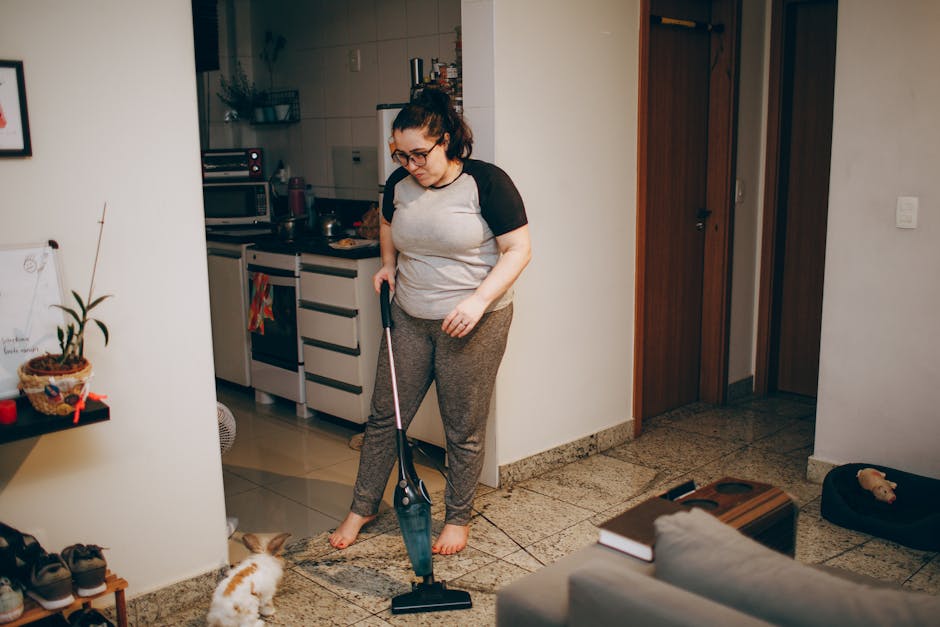
Hard flooring surfaces are significantly easier to clean and maintain than carpeting. If possible, replace carpeted areas with hardwood, tile, or laminate flooring. If carpet removal isn't feasible, vacuum frequently with a HEPA-equipped vacuum cleaner and consider professional deep cleaning every 6-12 months.
Use washable area rugs instead of wall-to-wall carpeting, and choose furniture with smooth surfaces that can be easily wiped clean. Leather or vinyl furniture is preferable to fabric upholstery, which tends to trap allergens.
Grooming and Hygiene Strategies
Regular grooming is perhaps the most direct way to reduce allergen production at its source. Consistent hygiene practices can dramatically decrease the amount of dander and other allergens your pet releases into your environment.

Bathing and Brushing Protocols
Bathe your pet weekly using hypoallergenic shampoos specifically designed to reduce allergen levels. Research published by the National Center for Biotechnology Information shows that regular bathing can reduce Fel d 1 levels by up to 84% temporarily.
Brush your pet daily, preferably outdoors or in a well-ventilated area. This removes loose hair and dander before it can spread throughout your home. Use a high-quality brush designed for your pet's coat type, and consider investing in grooming tools that capture loose fur effectively.
Professional Grooming Services
Consider professional grooming every 4-6 weeks for optimal allergen control. Professional groomers have specialized tools and techniques that can more thoroughly remove loose hair and dander than typical home grooming sessions. This is particularly beneficial for long-haired breeds that shed more extensively.
Strategic Living Space Management
Creating allergen-free zones within your home provides refuge areas where you can retreat when symptoms become problematic. These spaces require strict maintenance but offer significant relief for allergy sufferers.
Establishing Pet-Free Zones
Designate your bedroom as a pet-free sanctuary. Since you spend 6-8 hours daily in this space, keeping it allergen-free can significantly improve your overall comfort and sleep quality. Use allergen-proof mattress and pillow covers, wash bedding weekly in hot water (130°F or higher), and maintain strict pet access restrictions.
Consider creating additional pet-free areas such as a home office or reading room where you can retreat when allergies flare up. These spaces should have their own air purification systems and be thoroughly cleaned regularly.
Optimizing Pet Areas
Designate specific areas where your pet spends most of their time, and focus intensive cleaning efforts on these zones. Place washable blankets or covers on your pet's favorite furniture spots, and wash these items weekly. Use furniture covers that can be easily removed and laundered to protect upholstery from allergen accumulation.
Advanced Allergen Control Techniques
Beyond basic environmental controls, several advanced strategies can provide additional allergen reduction for those with severe sensitivities.

Dietary Interventions
Some studies suggest that certain dietary supplements can help reduce allergen production in pets. Omega-3 fatty acid supplements may improve coat health and potentially reduce dander production. Consult with your veterinarian before implementing any dietary changes or supplements.
High-quality nutrition from specialized pet health collections can improve overall coat condition, potentially reducing excessive shedding and dander production. Well-nourished pets often have healthier skin and coats, which may translate to lower allergen levels. To ensure your pet is getting the right nutrients, it's helpful to know How to Read Pet Food Labels Like a Pro: Understanding Pet Food Labels Ingredients.
Humidity Control
Maintain indoor humidity levels between 30-50% to prevent allergen particles from becoming airborne as easily. Use dehumidifiers in damp areas and humidifiers in overly dry conditions. Proper humidity control also helps prevent dust mites, which can compound allergy symptoms.
Medical Management and Treatment Options
While environmental controls are essential, medical interventions often provide necessary additional relief for managing pet allergies effectively.
Allergy Medications
Over-the-counter antihistamines, nasal corticosteroids, and eye drops can provide symptom relief. For more severe allergies, prescription medications may be necessary. The Mayo Clinic recommends working with healthcare providers to develop a comprehensive treatment plan that may include multiple medication types.
Immunotherapy Options
Allergy shots or sublingual immunotherapy can provide long-term relief by gradually desensitizing your immune system to specific pet allergens. This treatment requires a significant time commitment but can be highly effective for severe allergies that don't respond well to environmental controls and medications.
Long-term Success Strategies
Managing pet allergies successfully requires consistent implementation of multiple strategies over time. Create a routine that incorporates daily, weekly, and monthly tasks to maintain optimal allergen control.
Daily Maintenance Tasks
Implement a daily routine that includes wiping down surfaces with damp cloths, running air purifiers continuously, and keeping pet grooming up to date. These small daily actions compound over time to create significant allergen reduction. For instance, ensuring your pet is adequately hydrated is crucial for overall health and can sometimes impact their skin and coat; familiarize yourself with 7 Early Warning Signs of Dehydration in Dogs and Cats Every Pet Owner Must Recognize.
Regular Assessment and Adjustment
Monitor your symptoms and adjust strategies as needed. What works well during one season may need modification during heavy shedding periods or when introducing new pets to your household. Keep a symptom diary to identify patterns and triggers that may require additional attention. If your pet exhibits signs of stress due to changes in routine or environment, exploring Natural Remedies for Dog Anxiety: Proven Solutions to Calm Your Stressed Pet might also be beneficial as anxiety can sometimes exacerbate shedding or other behaviors that spread allergens.
Living comfortably with pets despite allergies is entirely possible with dedication and the right approach. By combining environmental controls, proper grooming, strategic space management, and appropriate medical treatment, you can maintain a loving relationship with your furry companion while managing your allergic reactions effectively. Remember that consistency is key – the most successful allergy management plans are those implemented daily as part of your regular routine.
For pet supplies that support your allergy management efforts, from grooming tools to air purification accessories, visit Vibranttails to explore collections designed to enhance both pet comfort and owner health.