

Best Grooming Brushes for Long-Haired Cats: Professional Guide to Maintaining Your Cat's Beautiful Coat
Long-haired cats possess some of the most stunning coats in the feline world, but their beauty comes with responsibility. Without proper grooming, these magnificent cats can develop painful mats, uncomfortable tangles, and even skin issues. The right grooming brushes for long-haired cats make the difference between a stressed, matted pet and a healthy, happy companion with a lustrous coat that turns heads wherever they go.
Whether you're caring for a majestic Maine Coon, an elegant Persian, or a fluffy Ragdoll, understanding which brushes work best for your cat's specific needs will transform grooming from a daily struggle into a bonding experience you both enjoy.
Understanding Long-Haired Cat Coat Types and Grooming Needs
Not all long-haired cats have identical grooming requirements. Cat coat genetics determine texture, density, and length, which directly impact your brush selection strategy.
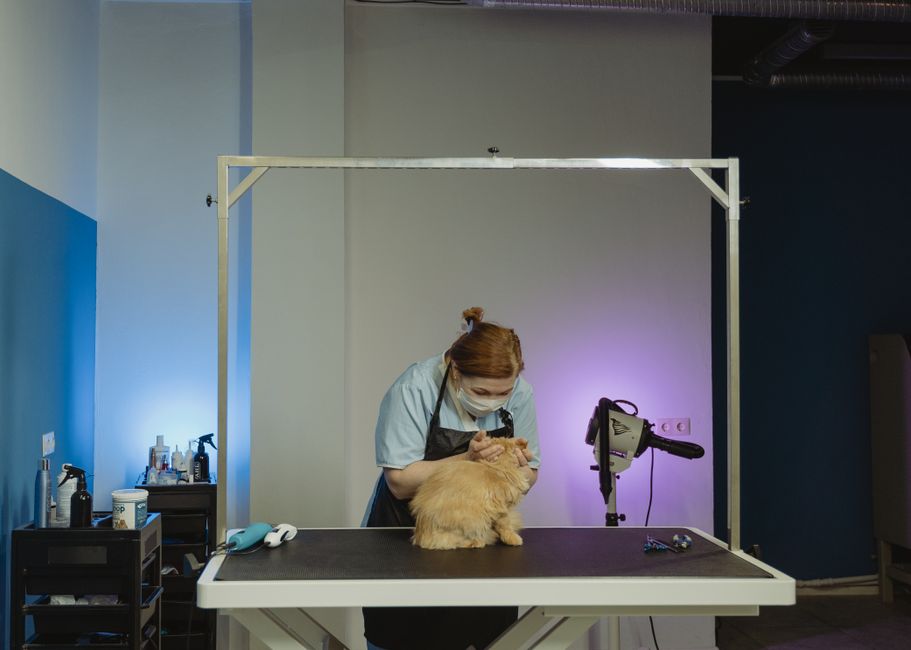
Persian cats typically have dense, cotton-like undercoats that require daily attention with specific brush types. Their coats mat easily near the skin, making gentle but effective tools essential. Maine Coons, conversely, have water-resistant outer coats with seasonal shedding patterns that demand different brushing approaches.
Ragdolls present unique challenges with their semi-long, silky coats that tangle primarily around the legs, chest, and behind the ears. Understanding these breed-specific characteristics helps you choose grooming brushes for long-haired cats that actually work for your particular feline friend.
Seasonal Grooming Considerations
Long-haired cats experience dramatic seasonal coat changes, particularly during spring and fall shedding seasons. During these periods, daily brushing becomes non-negotiable, and you may need to rotate between different brush types to manage the increased hair volume effectively.
Winter coats grow thicker and denser, requiring tools that can penetrate multiple coat layers without causing discomfort. Summer preparations involve removing excess undercoat to prevent overheating while maintaining the protective outer layer.
Essential Brush Types for Long-Haired Cats
Professional groomers rely on specific brush categories, each serving distinct purposes in maintaining long-haired cat coats. Understanding these categories ensures you build an effective grooming toolkit.
Slicker Brushes
Slicker brushes feature fine, short wires set at angles that excel at removing loose undercoat and preventing mat formation. For long-haired cats, choose slicker brushes with flexible pins and ergonomic handles that reduce hand fatigue during extended grooming sessions.
Premium slicker brushes include self-cleaning mechanisms that push trapped hair out with the press of a button, making maintenance effortless. Look for brushes with coated wire tips to prevent scratching sensitive skin.
Pin Brushes
Pin brushes work beautifully for daily maintenance brushing and finishing touches. Their longer pins penetrate deep into long coats while being gentle enough for frequent use. Oval-shaped pin brushes cover more surface area than round versions, making grooming sessions more efficient.
Choose pin brushes with rubber-tipped ends and flexible pins that bend with your cat's body contours. This flexibility prevents painful pulling and makes the experience more comfortable for sensitive cats.
Undercoat Rakes
Undercoat rakes target the dense, soft undercoat that causes most matting problems in long-haired breeds. These specialized tools feature rotating pins or curved teeth that lift and remove loose undercoat without cutting the topcoat.
Double-sided undercoat rakes offer versatility with different tooth spacing on each side. Use the wider spacing for initial passes and finer teeth for detailed work around sensitive areas.
Dematting Tools
When prevention fails, dematting tools become necessary for safely removing established mats without scissors. Sharp, serrated blades slice through mats while curved designs protect skin from accidental cuts.
Quality dematting tools feature safety guards and ergonomic handles that provide precise control. Never use dull dematting tools, as they pull rather than cut, causing unnecessary discomfort.
Professional Grooming Techniques for Long-Haired Cats
Effective grooming involves more than simply running a brush through your cat's coat. Professional techniques maximize results while minimizing stress for both you and your feline companion.
The Layer Method
Start grooming from the bottom layer and work upward. Lift sections of coat and brush the undercoat thoroughly before moving to surface layers. This method prevents pushing loose hair deeper into the coat where it creates mats.
Work in small sections, approximately 2-3 inches at a time, ensuring complete coverage. Pay special attention to high-friction areas like under the arms, between the legs, and around the collar area where mats form most frequently.
Direction and Pressure Control
Always brush in the direction of hair growth to prevent breaking the coat and causing discomfort. Use light, consistent pressure rather than heavy strokes that can irritate skin or damage the coat structure.
For particularly thick coats, use a lifting motion with pin brushes to separate hair layers naturally. This technique prevents matting while maintaining the coat's natural volume and beauty.
Problem Area Focus
Certain body areas require extra attention when using grooming brushes for long-haired cats. The chest, armpits, inner thighs, and behind the ears mat most easily due to friction from movement and scratching.
Approach these sensitive areas with extra patience and gentler tools. Many cats become defensive about having these spots brushed, so gradual desensitization with positive reinforcement helps build tolerance over time.
Choosing Quality Brushes That Last
Investing in high-quality grooming brushes for long-haired cats saves money long-term and provides better results than cheap alternatives that break or become ineffective quickly.
Construction Quality Indicators
Examine brush construction carefully before purchasing. Securely attached pins that don't wobble or fall out indicate quality manufacturing. Handles should feel balanced and comfortable during extended use, with non-slip grips that remain secure even when wet.
Stainless steel pins resist corrosion and maintain their effectiveness longer than cheaper alternatives. Look for brushes with replaceable heads when available, as this extends the tool's lifespan significantly.
Size and Ergonomics
Match brush size to your cat's dimensions and your hand size. Large cats benefit from wider brushes that cover more area efficiently, while smaller cats need proportionally sized tools that don't overwhelm them.
Consider your own comfort during grooming sessions. Brushes with cushioned handles and appropriate weight distribution reduce hand fatigue and make regular grooming more sustainable.
Creating an Effective Grooming Routine
Consistency matters more than perfection when maintaining long-haired cat coats. Establishing a regular routine with appropriate grooming brushes for long-haired cats prevents most serious matting problems.
Daily Maintenance Schedule
Plan 10-15 minutes daily for basic brushing using pin brushes or slicker brushes. Focus on high-risk areas and give a thorough once-over to catch developing mats early. Professional veterinary guidance recommends daily brushing for most long-haired breeds.
Weekly deep grooming sessions should include undercoat removal with specialized rakes and detailed attention to all body areas. These longer sessions maintain coat health and catch any issues before they become serious problems.
Positive Association Building
Many cats initially resist grooming, but patience and positive reinforcement create cooperative partners over time. Start with short sessions using gentle brushes, gradually increasing duration as your cat becomes comfortable.
Reward calm behavior with treats and praise, making grooming a positive experience rather than a battle. Some cats never enjoy grooming but learn to tolerate it when approached consistently and gently.
Common Mistakes to Avoid
Understanding common grooming mistakes prevents damage to your cat's coat and helps maintain a positive grooming relationship.
Over-Brushing Problems
Excessive brushing can damage the coat structure and irritate sensitive skin. Even the best grooming brushes for long-haired cats can cause problems when used too aggressively or too frequently in the same area.
Watch for signs of skin irritation like redness, excessive scratching, or behavioral changes that might indicate discomfort. Adjust your technique and frequency based on your cat's individual tolerance and coat condition.
Wrong Tool Selection
Using inappropriate brushes for your cat's specific coat type leads to poor results and potential discomfort. Research your cat's breed characteristics and choose tools designed for those specific needs rather than generic options.
Avoid human hair brushes or dog grooming tools not specifically designed for cats. These often have inappropriate pin spacing, pressure levels, or ergonomics that make them unsuitable for feline coats.
When to Seek Professional Help
Despite your best efforts with quality grooming brushes for long-haired cats, some situations require professional intervention from experienced groomers or veterinarians.
Severe matting that cannot be safely removed at home needs professional attention to avoid injury. Veterinary medical associations recommend professional grooming when matting affects large body areas or causes skin irritation.
Cats with mobility issues, arthritis, or behavioral problems may benefit from professional grooming services that have specialized equipment and experience handling difficult cases safely.
Maintaining Your Investment
Proper care of your grooming brushes ensures they remain effective and hygienic for your cat's health and coat maintenance.
Clean brushes after each use by removing trapped hair and washing with antibacterial soap when necessary. Store brushes in clean, dry locations where pins won't become damaged or bent.
Replace brushes when pins become dull, bent, or loose, as damaged tools can harm your cat's coat and skin. Quality brushes typically last 2-3 years with regular use and proper maintenance.
Conclusion
Selecting the right grooming brushes for long-haired cats transforms coat care from a chore into an opportunity for bonding while maintaining your cat's health and beauty. Understanding your cat's specific coat type, choosing quality tools, and developing consistent routines creates the foundation for lifelong coat health.
At Vibranttails, we understand that every long-haired cat deserves tools designed for their unique needs. Our carefully curated selection of premium grooming brushes helps pet owners maintain their cats' magnificent coats while strengthening the bond between human and feline companions. Visit vibranttails.com to discover grooming solutions that make both you and your cat happy.